Rand Paul releases Fauci's 1,141-page pandemic diary ahead of Senate hearing
Sen. Rand Paul published a 1,141-page document over the weekend described as diary entries made by Dr. Anthony Fauci from December 2019 through December 2022. The release came ahead of a scheduled Wednesday hearing before the Senate Homeland Security and Governmental Affairs Committee, which Paul chairs and where Fauci was subpoenaed to testify after he reportedly declined to appear voluntarily. The document was briefly taken down Monday evening and reposted Tuesday morning with redactions.
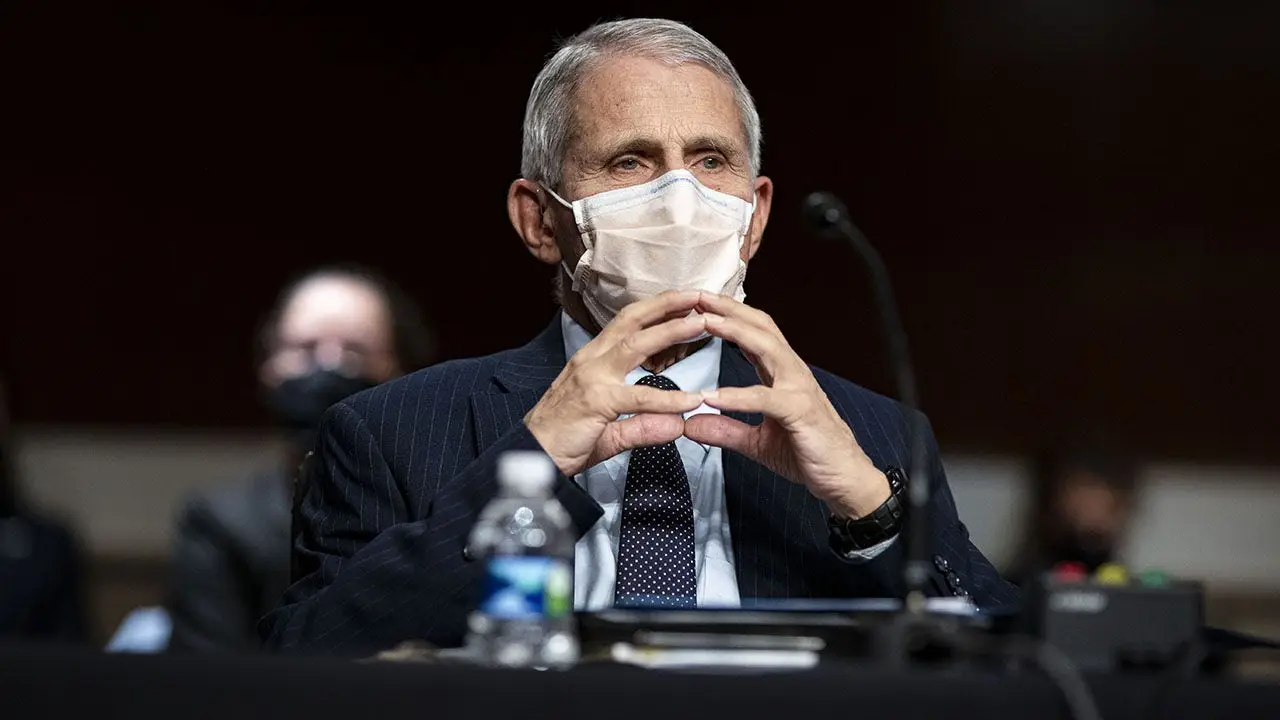
Sen. Rand Paul posted a thread on X on Saturday introducing the diary entries, writing that "what [Fauci] wrote privately and what he told the country are two different stories." Paul, who has led an ongoing congressional investigation into COVID-19's origins, framed the release as part of that inquiry. Fauci and Paul did not respond to NPR's request for comment prior to publication.
On the question of COVID-19's origins, Paul highlighted an entry dated Jan. 26, 2020, in which Fauci wrote that the first infection "was not connected to the market" and that "the market was not the source, it was the amplifier." Paul characterized this as Fauci privately setting aside the wet market theory early on. However, the same entry included Fauci's continued assertion that "somewhere the virus jumped from animals to humans," according to NPR. Paul also highlighted a Feb. 1, 2020, conference call entry in which Fauci noted that only two of roughly a dozen scientists voiced support for a natural origin, while "the rest felt that deliberate insertion was possible." Paul wrote that "this was never a 50/50 room," citing this as evidence that early scientific opinion did not dismiss a lab origin.
Virologists contacted by NPR offered a different reading of those passages. Felicia Goodrum of Dartmouth College said the Feb. 1 call took place very early in the pandemic, before researchers had accumulated the data that later shaped the scientific consensus. She said science is iterative and that conclusions made early are revised as more evidence emerges. Robert Garry of Tulane University said there is "no actual evidence" for the lab leak hypothesis and that no lab, including the Wuhan Institute of Virology, had a precursor virus close enough to SARS-CoV-2 to engineer it. A February 2024 survey by the Global Catastrophic Risk Institute found that most virologists favor a natural spillover origin.