House committee seeks classified briefings on noncitizen voter roll claims and foreign election interference ahead of midterms
The Department of Homeland Security announced that a preliminary review of voter rolls in four states — California, Nevada, New Jersey, and Pennsylvania — found as many as 250,000 noncitizens registered to vote. New Jersey Gov. Mikie Sherrill separately disclosed that a software error in the state's Motor Vehicle System had placed approximately 6,600 ineligible voters on the rolls, with fewer than 400 ultimately casting ballots. DHS has not publicly explained the methodology behind its 250,000 figure, and at least three of the four affected states have written to Homeland Security Secretary Markwayne Mullin questioning the accuracy of the numbers.
Two sources · Thin corroboration
The DHS announcement, delivered by Secretary Markwayne Mullin at a July 17 press conference, cited state-by-state tallies: 190,832 in California, 35,152 in New Jersey, 15,903 in Nevada, and 14,576 in Pennsylvania. The figures followed a primetime address by President Donald Trump in which he described digital election interference as a "cyber threat aimed at the very heart of our democracy."
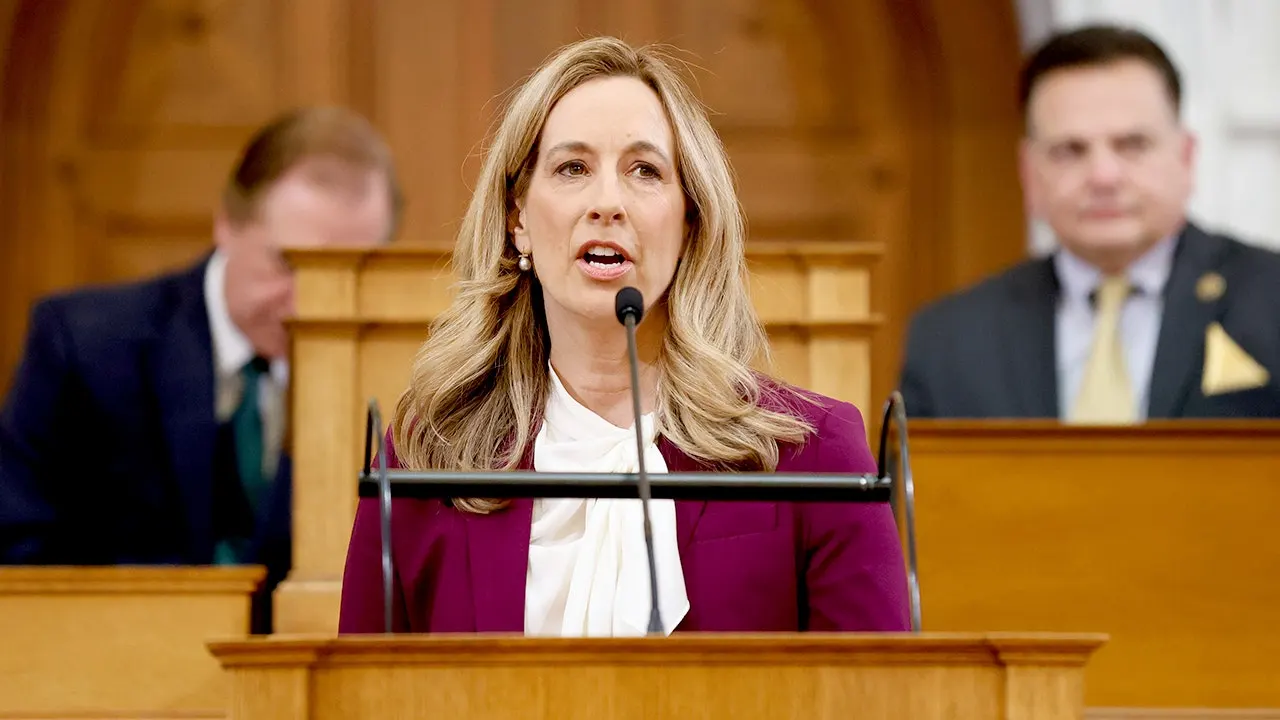
New Jersey's disclosure drew particular attention because it came from a Democratic governor. Gov. Sherrill attributed the error to a software flaw in the state's Motor Vehicle System and said the improperly registered individuals were spread across the state, with no dominant party affiliation. Fewer than 400 of the 6,600 registered individuals voted, according to preliminary state findings. State officials did not specify which elections those individuals participated in.
Coverage diverged sharply on the credibility of the broader 250,000 figure. Fox News led with the New Jersey case as evidence of a "decades-long" pattern of noncitizen voter registration, citing documented cases from Louisiana, Iowa, Michigan, Ohio, Illinois, Pennsylvania, Texas, Maryland, Colorado, Florida, and North Carolina stretching back to 2000. NPR led with the fact that the DHS methodology remains undisclosed and that multiple state officials, along with independent election researchers, have raised questions about how the data was generated.