Massachusetts legislature moves to expand late-term abortion access before session closes July 31
The Massachusetts House passed the Prioritizing Patients' Access to Care Act 119-33, a bill that would remove the state's four existing statutory exceptions for abortions after 24 weeks and replace them with a physician's individual medical judgment standard. The bill is on a fast track to clear the full legislature before the legislative session ends Friday, July 31. If enacted, the law would also bar third-party medical reviewers from overruling a patient-physician decision.
Single source · Not corroborated
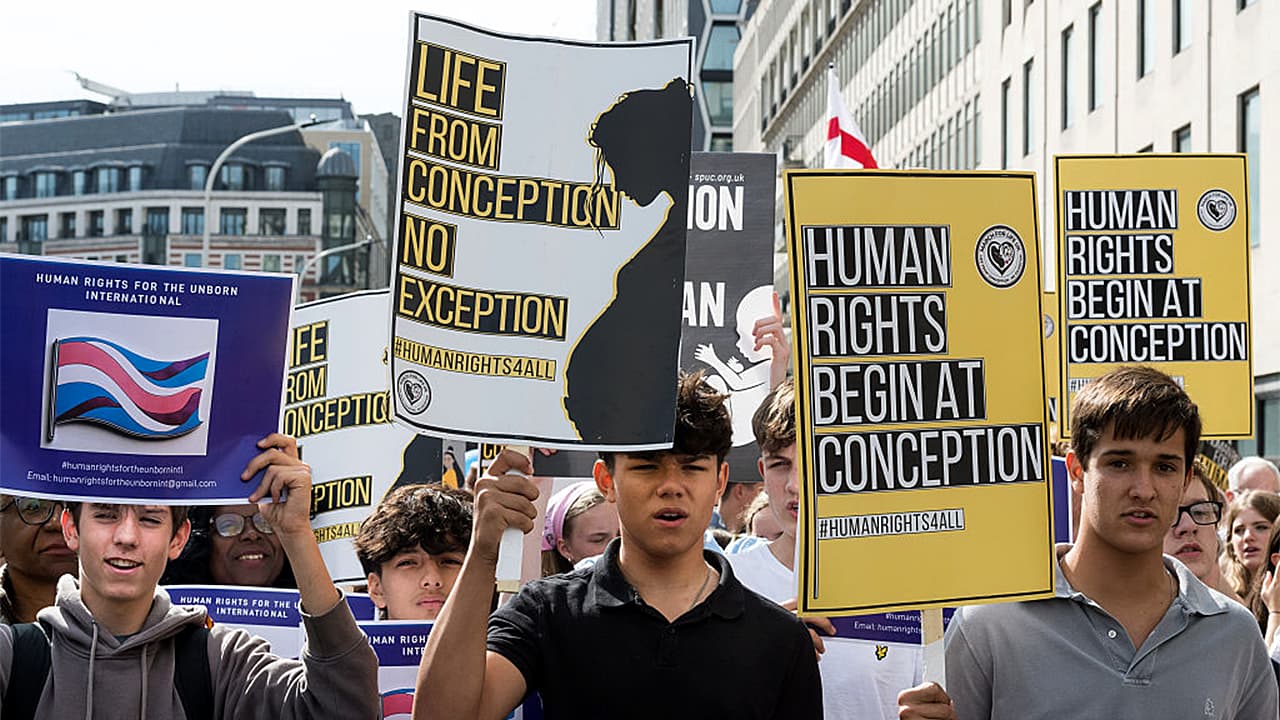
The Massachusetts House passed the Prioritizing Patients' Access to Care Act 119-33 last week, sending the measure to the Senate on an accelerated timeline ahead of the July 31 end of the legislative session. The bill would replace the state's current post-24-week abortion framework — which limits procedures to cases involving risk to the patient's life, physical health, mental health, or a lethal or grave fetal diagnosis — with a standard that allows licensed physicians to use their own medical judgment.
Bill sponsor Rep. Lindsay N. Sabadosa, D-Northampton, said in a statement that "medical decisions should be made by a patient and their doctor" and that existing restrictions "can fail to account for the complexity of individual medical circumstances." Supporters cited a 2021 case, described to the New York Times by Reproductive Equity Now, in which a woman had to travel out of state for an abortion after her fetus suffered a stroke at 33 weeks because Massachusetts providers did not believe her case fit within the existing legal exceptions.
Opponents, including Susan B. Anthony Pro-Life America, said the current Massachusetts law already contains broad exceptions, including for fetal anomalies, and argued the bill would effectively open the door to elective abortions throughout the second and third trimesters for any physician willing to sign off. Republican state Rep. Kelly Pease said his caucus was caught off guard by the proposal and questioned the removal of existing safeguards for potentially viable fetuses.