Senate confirms Dr. Erica Schwartz as CDC director in 51-44 party-line vote
The U.S. Senate confirmed Dr. Erica Schwartz as director of the Centers for Disease Control and Prevention on Wednesday by a vote of 51-44, almost entirely along party lines. Schwartz, who served as deputy surgeon general during Trump's first term, becomes the second Senate-confirmed CDC director, following the 2023 Consolidated Appropriations Act that established the confirmation requirement. She takes over an agency managing multiple concurrent outbreaks including measles, Cyclospora, and Ebola activity in Central Africa.
Two sources · Thin corroboration
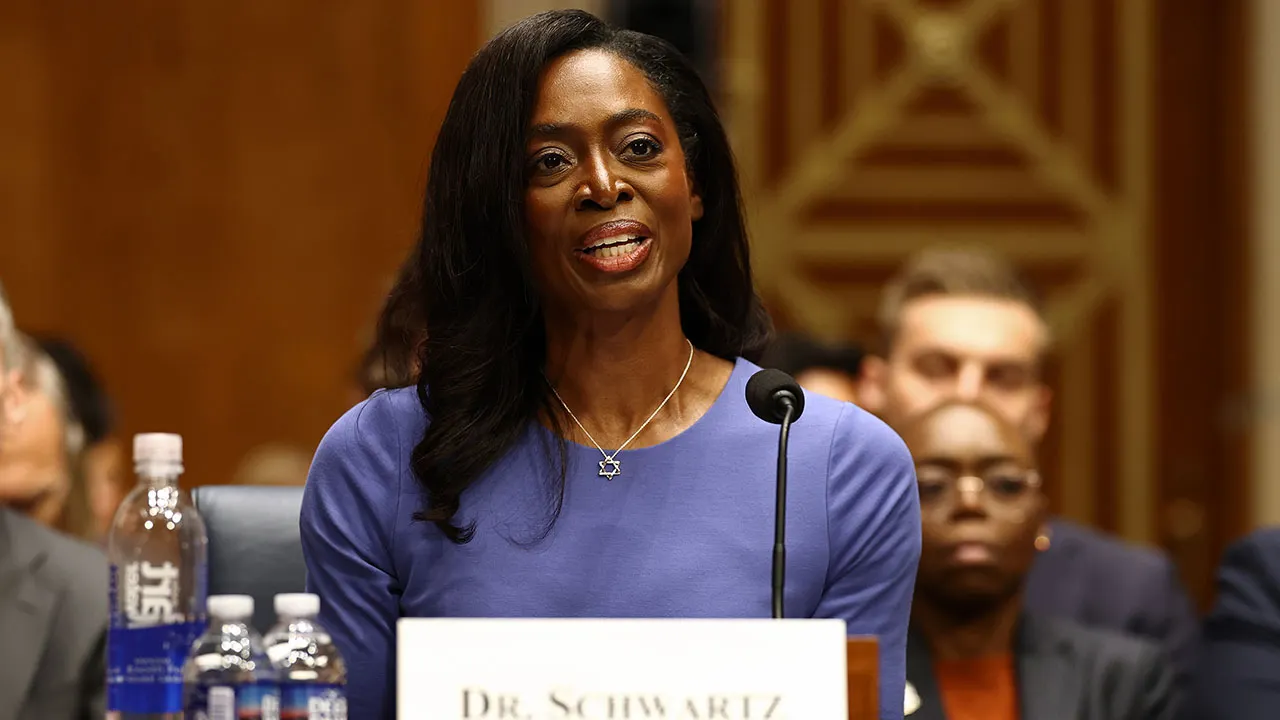
The Senate's confirmation of Dr. Erica Schwartz fills a leadership position that has cycled through nearly a half-dozen names during the second Trump administration, according to Fox News. The previous Senate-confirmed director, Susan Monarez, was fired by Health and Human Services Secretary Robert F. Kennedy Jr. last August after less than a month in the role. Monarez later told Congress that Kennedy pressured her to approve vaccine policies without reviewing scientific evidence, NPR reported.
The confirmation nearly stalled in committee. Senate HELP Committee Chair Bill Cassidy pressed Schwartz on whether she would make science-based decisions or follow politically motivated orders. When Schwartz responded during the hearing that "the secretary will absolutely allow me to be CDC director," Cassidy said he was not satisfied: "You can be CDC director and just take orders. We need a CDC director that will actually stand up to crazy, stupid things being said that undermine faith in immunization," Fox News reported. Cassidy ultimately voted to advance and confirm Schwartz after a follow-up conversation, stating he was "confident that she knows what she is doing and will stand against those who do not."
Most Democrats and independents voted against Schwartz. Sen. Bernie Sanders, the HELP Committee's ranking member, said he was impressed by her credentials but did not believe she was prepared to counter Kennedy's positions on vaccines. When asked at her hearing how she would respond if Kennedy pressured her to approve recommendations without scientific evidence, Schwartz said Kennedy would never make such a request — a response that NPR reported some public health experts described as an evasion. Dr. Amesh Adalja of the Johns Hopkins Center for Health Security told NPR her hearing performance "came up far short" of expectations, while Dr. Georges Benjamin of the American Public Health Association said officials in such roles must manage through influence and noted it is not standard practice to publicly disagree with a supervisor before starting the job.