Autism providers and families support Medicaid fraud crackdown while warning against disrupting legitimate care
A coalition of autism care providers, behavioral therapists, and families called the Autism Families Alliance has publicly backed the Trump administration's efforts to prosecute Medicaid fraud affecting autism services. The group argues that fraudulent billing has diverted funds away from children with autism who depend on those services. At the same time, the coalition is urging policymakers to ensure anti-fraud measures do not create new barriers for families seeking legitimate care.
Single source · Not corroborated
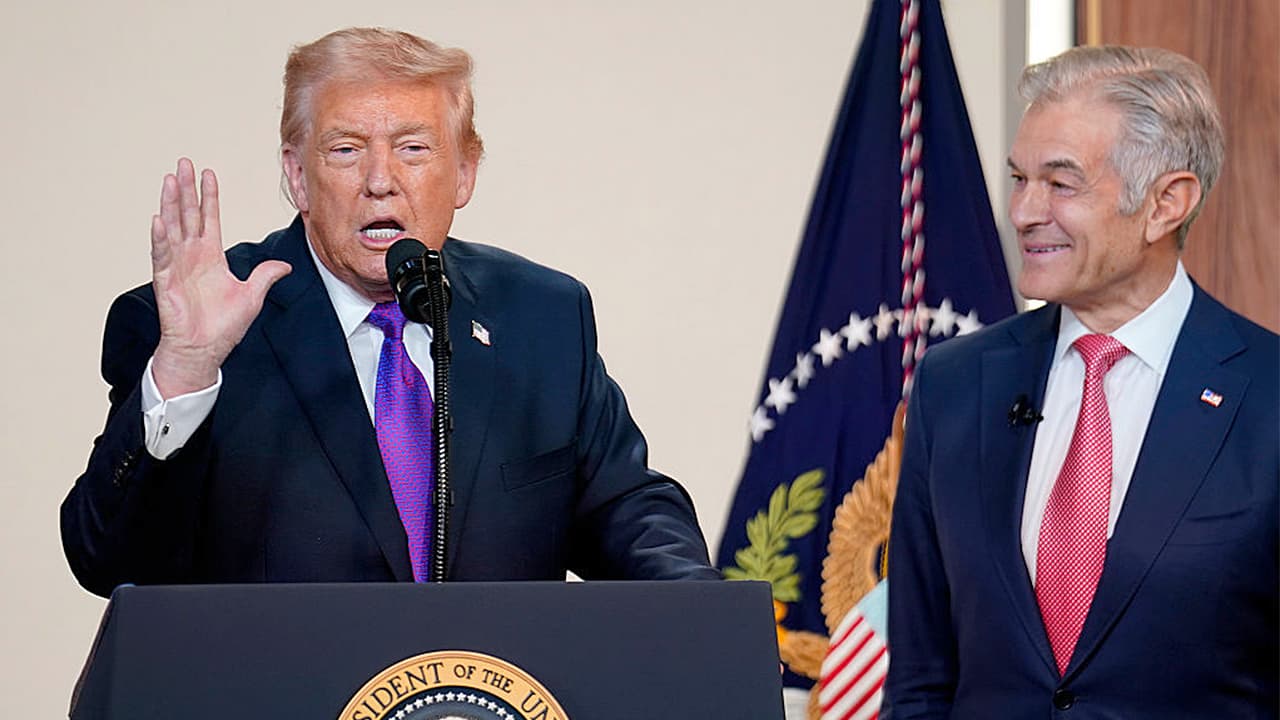
The Autism Families Alliance, a national advocacy organization supporting Applied Behavior Analysis (ABA) providers and the families who rely on them, announced its support for the administration's Medicaid fraud crackdown, stating that every dollar allegedly stolen should have been used to help children with autism learn to communicate and gain independence.
Taylor Sanders, a family advocate at the Autism Families Alliance, said in a statement to Fox News Digital that families fear their children's care could be interrupted as a result of government responses to fraud. "Access to these programs aren't a political talking point to these families, it's their lifeline," Sanders said, calling on policymakers to target fraudsters without placing new burdens on families of vulnerable children.
Kelsey Bennett, also a family advocate at the organization and a practicing clinician, said that fraud "harms taxpayers, undermines trust in the healthcare system, damages the reputation of legitimate providers, and, most importantly, puts vulnerable children at risk." She added that anti-fraud efforts should be carefully targeted and warned that significantly limiting telehealth for supervision and assessments could restrict access for families in rural and underserved areas.