Experts outline financing, provider, and access trade-offs in Medicare-for-all proposals
Michigan Democratic Senate candidate Abdul El-Sayed and Sen. Bernie Sanders have made Medicare-for-all a centerpiece of recent campaigns, with El-Sayed acknowledging the policy would require higher taxes in exchange for coverage not tied to employment. Experts from the Cato Institute and the Heritage Foundation outlined several structural trade-offs the single-payer label does not fully convey. A Congressional Budget Office analysis was cited in connection with concerns about the role of private insurance under such proposals.
Single source · Not corroborated
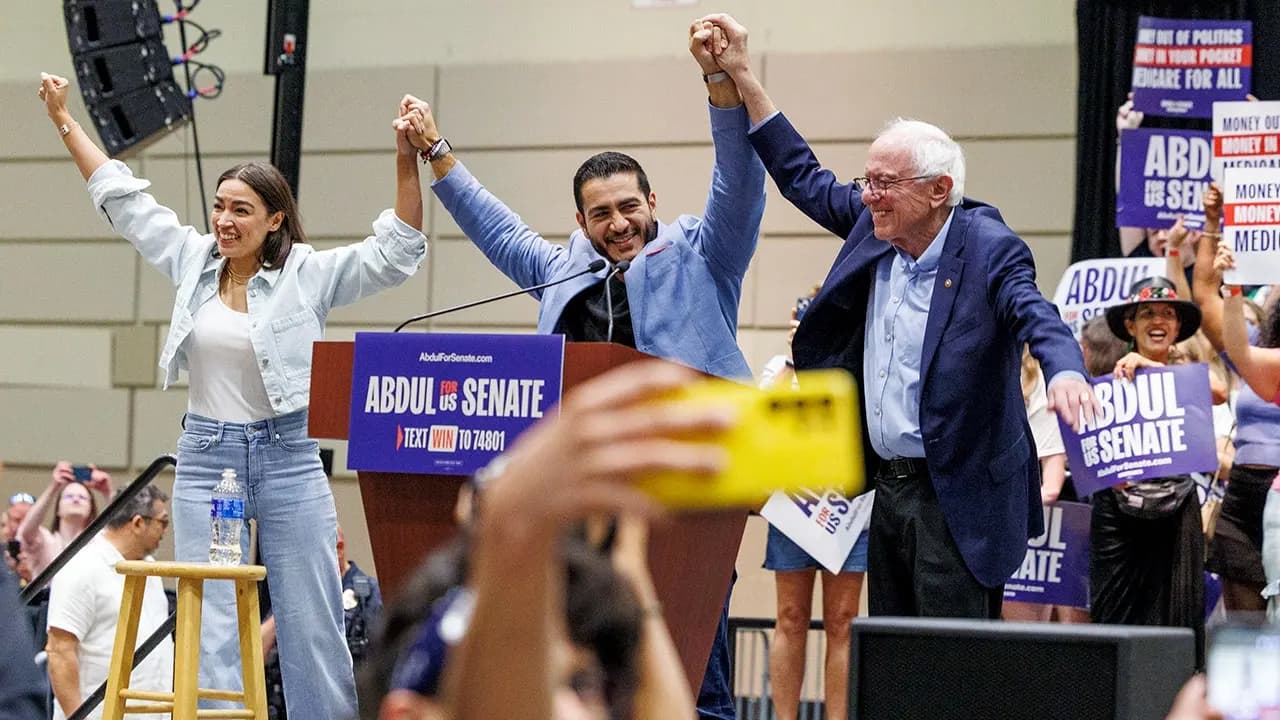
The Fox News report centered its coverage on a set of policy trade-offs that conservative-aligned health policy experts argue are obscured by the "Medicare-for-all" label. Cato Institute health policy studies director Michael Cannon and Heritage Foundation expert Ed Haislmaier served as the primary voices, with no advocates for single-payer proposals quoted in the piece beyond El-Sayed's own public remarks.
One of the central issues Cannon raised is provider payment rates. Medicare currently reimburses hospitals and physicians at rates substantially below those paid by private insurers. A nationwide single-payer system would dramatically expand the number of patients whose care is financed at government-set rates, Cannon said, potentially leading some providers to reduce their participation if payments are held near current Medicare levels.
Financing is the other major dimension. Moving most healthcare spending onto the federal government's ledger would require a large increase in federal revenue, even accounting for premiums and out-of-pocket costs currently paid by employers and households. Cannon said such a shift would double or triple federal taxes, according to Fox News's reporting.