Puerto Ricans voice opposition to statehood over tax, economic, and cultural concerns
Several Puerto Ricans interviewed in San Juan expressed opposition to statehood, citing fears that taxes would rise, the cost of living would increase, and that the island's cultural identity would be diminished. Puerto Rico has been a U.S. territory since 1898, when the United States acquired it from Spain. A nonbinding referendum held in November 2024 found that 59% of voters favored statehood, 29% favored independence, and 12% favored associated independence.
Single source · Not corroborated
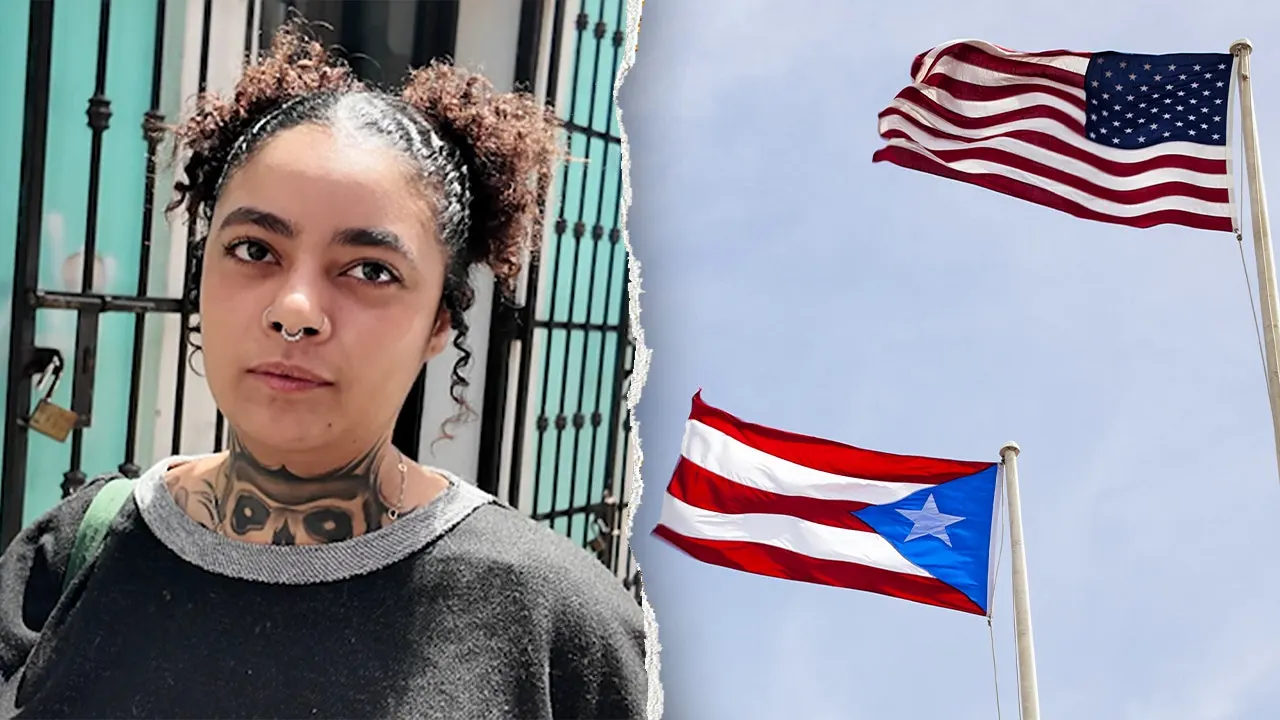
Puerto Rico's status as a U.S. territory has been a recurring debate in both Washington and San Juan for decades, and residents interviewed in San Juan by Fox News Digital expressed a range of concerns about the prospect of statehood — particularly around taxes and economic stability.
Multiple residents said they feared that integration into the federal tax system would drive up costs on an island where wages are already low. "Everything would become more expensive than it already is and locals [have] already been struggling for a while now," said Alejandra, a San Juan resident. Another interviewee, Carly, who grew up in Puerto Rico but now lives in Connecticut, said she did not want taxes to spike, drawing a comparison to Hawaii's experience after it became a state.
Puerto Rico operates under a different federal tax structure than the 50 states, and statehood would bring the island more fully into that system. Puerto Rican Gov. Jenniffer González Colón, a member of the pro-statehood New Progressive Party and an ally of President Donald Trump, has argued that statehood is tied to achieving equality, citing unequal treatment in federal programs. Residents who are opposed to statehood, however, said the economic risks outweigh those arguments.