Six Months Into the Iran War, the Regime Holds On as U.S. Weighs Military, Economic, and Diplomatic Options
The United States and Israel began military operations against Iran on February 28, 2026, under Operation Epic Fury, with intensive bombing continuing until a ceasefire was declared on April 8. The war has killed 18 U.S. service members and 3,375 Iranians, with more than 33,000 Iranians injured, according to the Pentagon and the World Health Organization respectively. Six months in, Iran's government remains in power, the Strait of Hormuz remains a flashpoint, and U.S. diplomatic talks with Tehran are on hold.
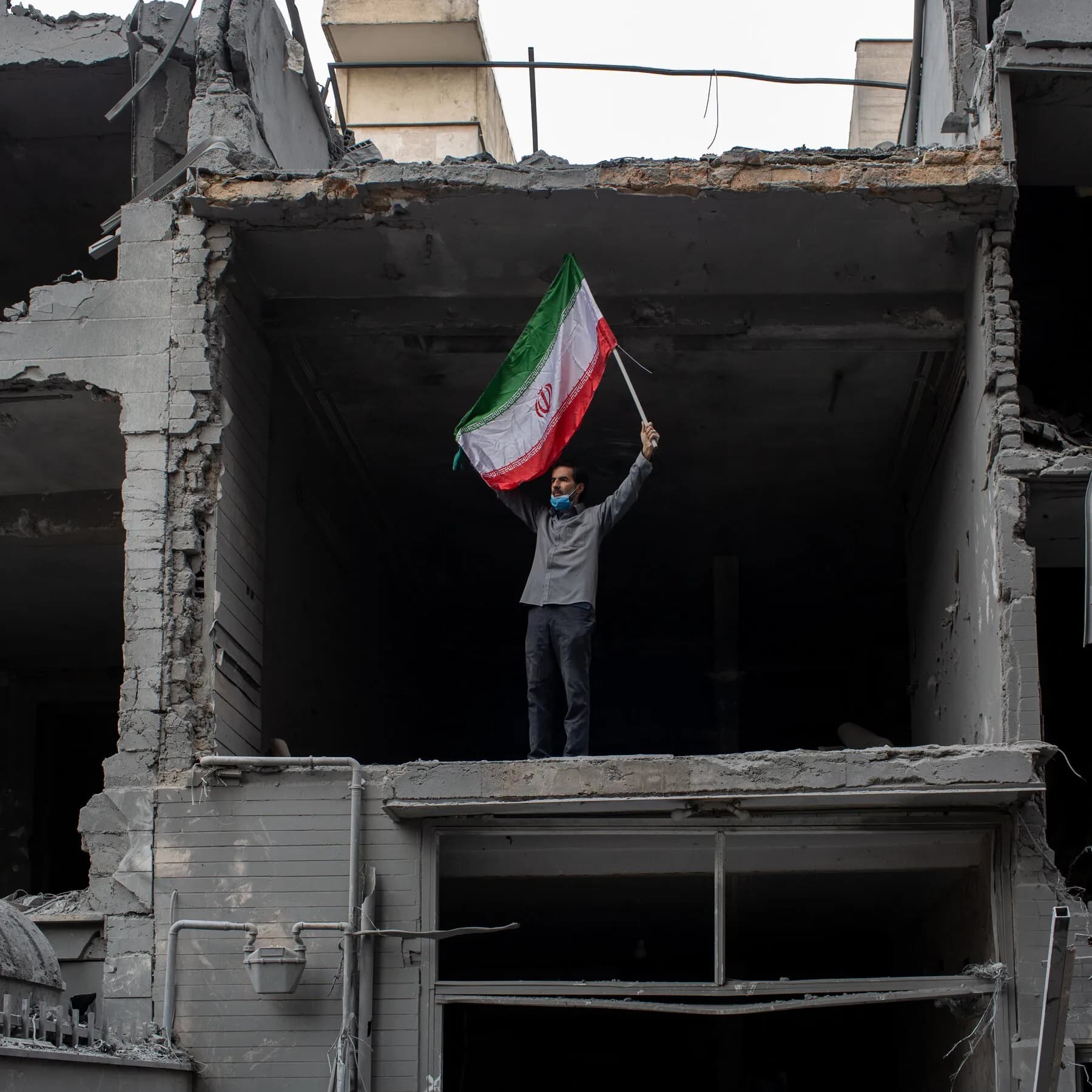
The six-month mark of the U.S.-Israel war with Iran arrived on August 28 without formal recognition from the White House. President Trump spent the day in Houston, where he attended a Republican National Committee fundraiser and presented the Congressional Space Medal of Honor. When asked about Iran by reporters on Thursday, Trump said the regime was "in deep trouble" and had "very little capacity," and cited the nightly passage of U.S. naval vessels through the Strait of Hormuz as evidence of progress.
The initial five-week air campaign destroyed Iran's air force, air defenses, and most of its navy, and struck its missile and drone programs, according to NPR. Pentagon press secretary Kingsley Wilson told the Washington Examiner that U.S. forces "destroyed up to 90% of Iran's drone, ballistic missile, and naval industrial base" and sank the Iranian navy in what he described as the most intense naval combat the U.S. has seen since World War II. Despite these losses, Iran has kept the Strait of Hormuz largely shut down and retains enough missiles and drones to pose a continued threat to Gulf states and Israel, NPR reported.
Iran's leadership structure shifted after the killing of Supreme Leader Ayatollah Ali Khamenei on the first day of the war; his son, Mojtaba Khamenei, has since assumed the role of supreme leader, according to NPR. Alex Vatanka, a senior fellow at the Middle East Institute, told NPR that senior Iranian figures — including Revolutionary Guard chief Ahmad Vahidi and National Security Council head Mohsen Rezaei — are quietly backing a return to talks, though the regime has simultaneously intensified domestic repression. The United Nations reported at least 56 executions on national security charges since mid-March, and the U.S.-based Human Rights Activists News Agency estimated more than 7,000 people were killed during crackdowns on protests earlier this year.