Conflicting federal and state court rulings leave Missouri's congressional maps in legal limbo weeks before midterms
Supreme Court Justice Brett Kavanaugh on Tuesday denied an emergency appeal seeking to revive Missouri's revised Republican-backed congressional map, leaving in place a Missouri Supreme Court ruling that had blocked the map. Within minutes of Kavanaugh's ruling, however, Chief U.S. District Judge Stephen Clark issued a 14-day temporary restraining order directing Missouri officials to use the revised map while a federal case proceeds. The competing orders created immediate legal uncertainty as Missouri's ballot-change deadline fell the same day and ballots must be sent out by September 19.
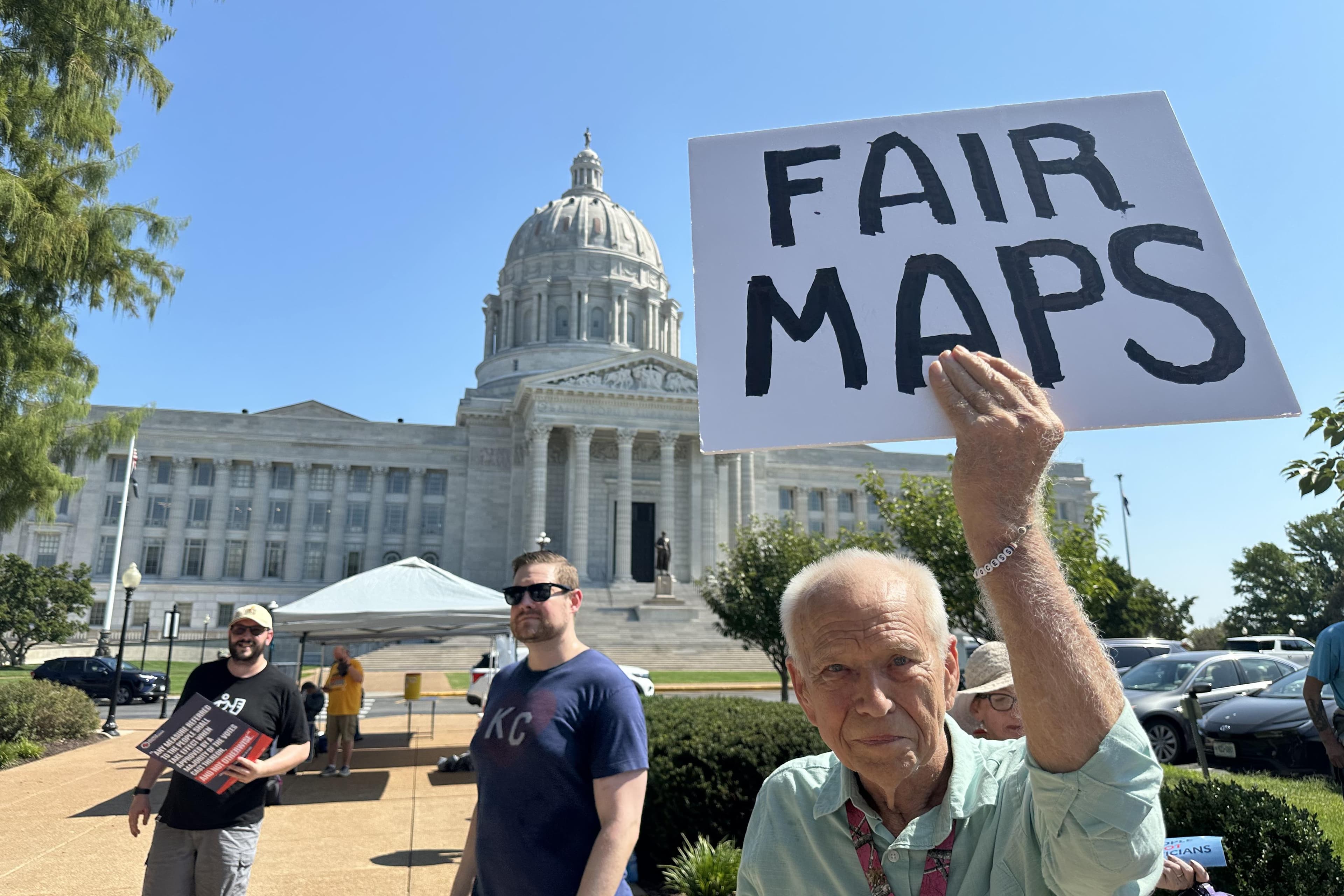
The legal standoff stems from a redistricting law backed by Missouri Republicans and President Donald Trump that redrew congressional districts in a way supporters of the change said would shift one of the state's two Democratic-held House seats toward Republicans, moving the state's congressional delegation from 6-2 to 7-1 in the GOP's favor. The Missouri Supreme Court ruled last week that a voter-backed referendum petition had suspended the law pending a statewide vote, meaning the revised map never legally took effect and the 2022 districts should govern November's election.
Missouri Attorney General Catherine Hanaway filed the emergency appeal to the U.S. Supreme Court, warning of an "unprecedented" situation after the state administered its August primaries under the new district lines only to be ordered to revert to the older map for the general election. Kavanaugh, who handles urgent matters arising from the 8th Circuit, issued no explanation for his denial and did not refer the matter to the full court, as is customary in significant cases.
Chief U.S. District Judge Stephen Clark, a Trump appointee based in St. Louis, ruled within minutes that requiring Missouri to use different maps for the primary and general elections "would wreak havoc on the fairness and orderliness of Missouri's congressional elections" and said widespread voter confusion would inevitably follow. He concluded that two Republican candidates who sued were likely to prevail on arguments that switching maps would violate constitutional provisions governing the House and guaranteeing equal protection.