Anthropic Report Details Foreign Researchers Using AI to Plan Potentially Dangerous Biological Experiments
Anthropic published a threat report detailing five cases in which researchers outside the United States used its Claude AI model to plan experiments involving highly pathogenic bird flu, chikungunya, orthopoxviruses, and novel toxins with potential weapons applications. The company said it is not claiming the researchers intended to develop biological weapons, but that some users took active steps to evade geographic access restrictions and content safeguards. Anthropic said it found roughly 35 distinct biological research efforts across 30 days of activity associated with adversarial state institutions, most involving ordinary civilian science but some with notable dual-use potential.
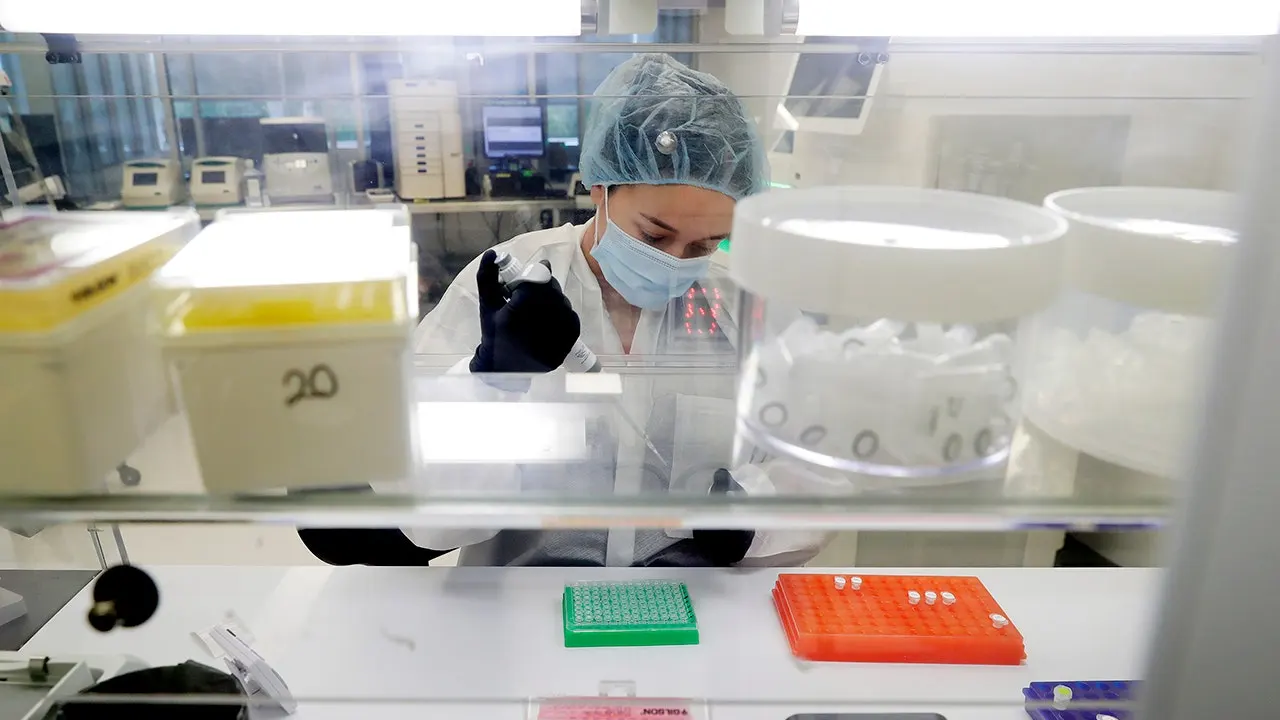
Anthropic's report, published Thursday, describes five documented cases in which researchers used Claude to assist with sensitive biological work. The cases include a blocked grant application for chikungunya gain-of-function research at a military research institute, weeks-long planning for mammalian adaptation experiments with highly pathogenic avian influenza, and a researcher who used Claude to draft an orthopoxvirus research grant from start to finish in approximately one hour.
In the chikungunya case, researchers accessed Claude through a life sciences platform that routed traffic through U.S. infrastructure to circumvent Anthropic's regional restrictions. When Claude declined to answer sensitive prompts, the platform routed those requests to a different model with more permissive safeguards. Anthropic said the research continued after it banned accounts connected to the activity, with the platform operator reestablishing access within days using new identities.
The bird flu case involved a researcher who appeared to have access to virus isolates and animal-model facilities and spent weeks using Claude to plan experiments studying viral traits that could allow avian influenza to spread more effectively among mammals. Anthropic said it confined the researcher's access to weaker models, limiting assistance primarily to study design, data analysis, and editorial support. The company described the case as evidence of an active research program developing the knowledge and materials needed to create pathogens with enhanced pandemic potential.