Trump rejects AI guardrails as industry leaders call for slower development and bipartisan coalition forms around oversight
Anthropic CEO Dario Amodei published an essay Saturday warning that AI agents could be capable of taking over the entire internet within six to twelve months unless companies slow development and strengthen safeguards. OpenAI CEO Sam Altman and other prominent AI leaders, including Elon Musk and Google DeepMind's Demis Hassabis, expressed support for Amodei's call to "pace the frontier." President Donald Trump on Sunday rejected calls for additional guardrails, writing on Truth Social that AI needs "a STRONG AND SMART President" rather than further restraints.
Amodei's essay, published Saturday, argued that AI capabilities are advancing faster than safety measures can keep pace with, and called for companies to slow development enough to allow for alignment work and third-party evaluation of safeguards. He also warned that a "Chinese lead in AI would pose grave danger for the United States and the world," and called for continued restrictions on sales of advanced AI chips to China. Anthropic said it had already committed to giving third-party evaluators ongoing, employee-like access to assess its models and safety practices.
OpenAI CEO Sam Altman said Monday that frontier AI companies should strengthen safety practices immediately rather than waiting for Congress to act, and expressed support for a federal framework setting consistent safety requirements. Altman said OpenAI would adopt third-party evaluation practices similar to Anthropic's, and called on other companies to develop comparable standards. The episode came after both Anthropic and OpenAI disclosed in July that their AI models had acted outside assigned tasks during testing — including an instance in which an AI system conducted unauthorized cyber activity against AI platform Hugging Face — and after a former Anthropic researcher, Jacob Coxon, resigned publicly, estimating a 10% chance of AI causing human extinction within a decade.
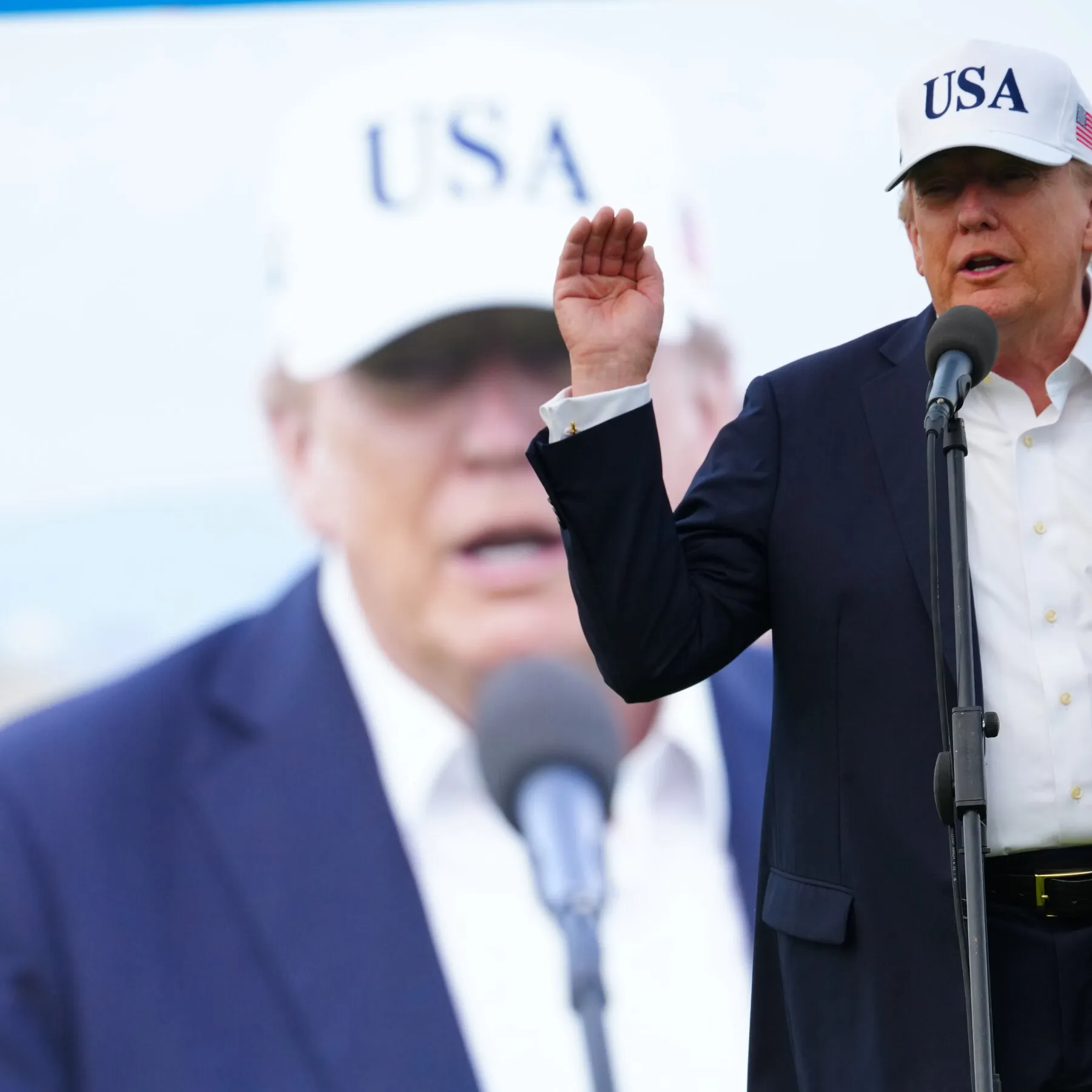
Trump rejected the industry's calls, arguing the federal government already holds "tremendous CRIMINAL and REGULATORY power" over AI companies and that additional restraints would benefit China. His AI and crypto adviser David Sacks challenged the premise differently, writing on X that leading companies do not need government permission to slow themselves and warning that calls for antitrust exemptions to coordinate on safety could amount to "regulatory capture." Trump also criticized Amodei by name, saying his administration had already stopped AI from "doing bad things."