Supreme Court Blocks Trump Administration's Mail Ballot Restrictions for 2026 Midterm Elections
The Supreme Court on Monday rejected the Trump administration's emergency request to enforce new U.S. Postal Service rules restricting mail-in ballots ahead of the November 2026 midterm elections. In a brief order, the court found the government was "unlikely to succeed on the merits" and had not shown that legal and practical considerations warranted a stay. Justices Samuel Alito and Clarence Thomas publicly dissented from the decision.
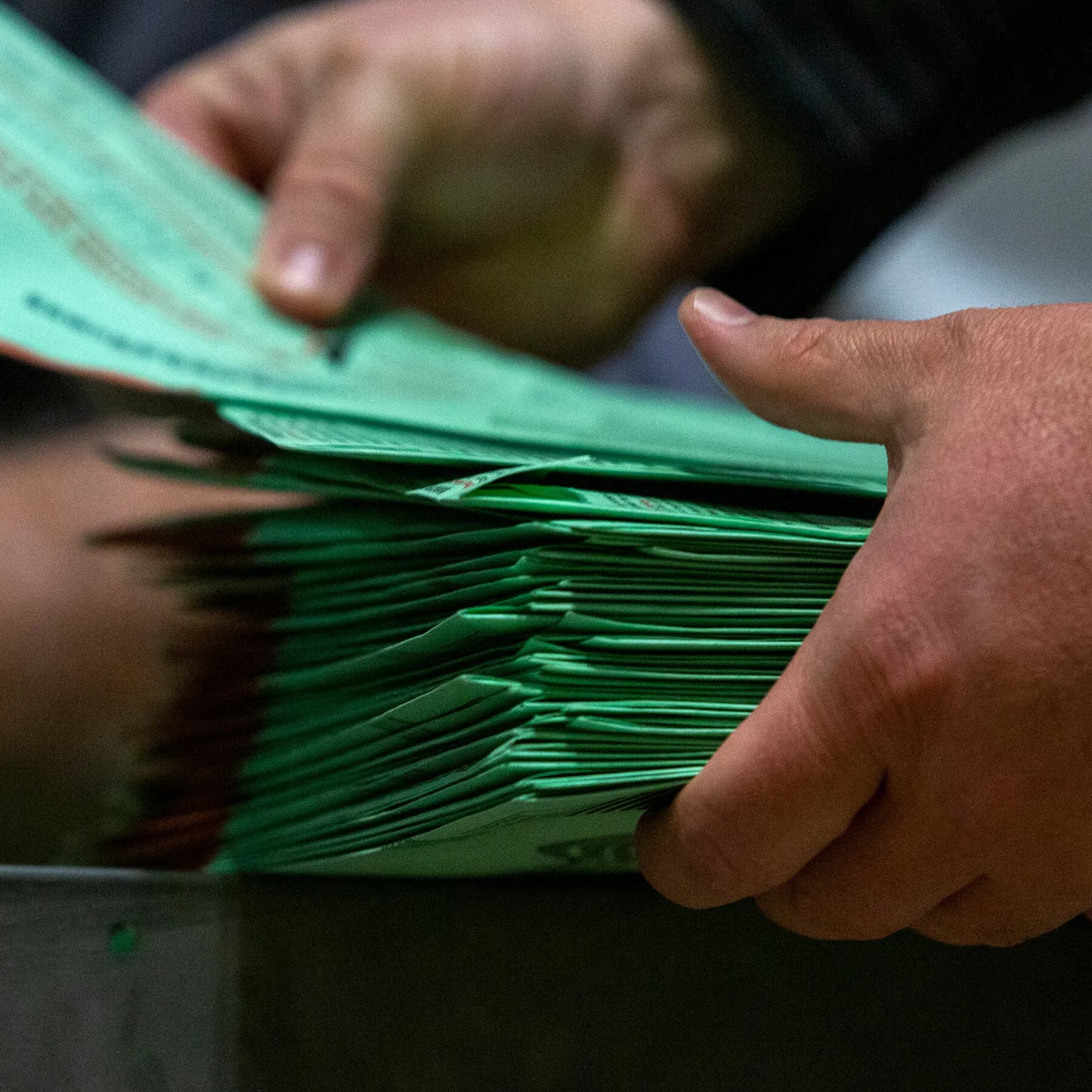
The Supreme Court's order leaves in place a nationwide preliminary injunction that blocks the Postal Service from enforcing new requirements for federal ballot mail. Under the USPS rule — finalized in August to implement a Trump executive order — election officials would have been required to submit voter lists to a federal online portal, use envelopes bearing a scannable election-mail logo with a unique per-voter barcode, and submit envelope designs to the Postal Service for review. Mailings that failed to comply would have been returned to election officials for correction.
The rule had already faced two separate federal district court blocks before the Supreme Court acted. U.S. District Judge Indira Talwani, an Obama nominee based in Boston, blocked the rule on September 4. U.S. District Judge Carl Nichols, a Trump nominee in Washington, D.C., issued a second preliminary injunction late Sunday, concluding that central parts of the rule exceeded the authority Congress granted to the Postal Service. Nichols wrote that "no statute grants the Postal Service the power to issue key parts of the Rule," though he acknowledged that envelope, labeling, and tracking requirements might fall within the agency's authority. The Postal Service handled at least 54.4 million ballots during the 2022 midterm elections, according to figures cited in Nichols's decision.
Justice Brett Kavanaugh agreed with the majority that the restrictions should not take effect for the 2026 elections but wrote separately to signal that the USPS may ultimately have statutory authority to impose such requirements. He said applying the rules during the 2026 elections would be "arbitrary and capricious" under the Administrative Procedure Act because state and local officials lacked sufficient time to implement them. Alito, in dissent joined by Thomas, argued that some plaintiffs lacked legal standing and that the government had made the necessary showing for a stay, citing the Postal Service's broad regulatory authority over mail collection, handling, and delivery.