Surrogate Who Refused Abortion Requests Supreme Court Stay as Newborn's Custody Dispute Escalates
McKenna West, an Alaska-based surrogate, has filed an updated brief with the U.S. Supreme Court seeking an emergency administrative stay after a California court awarded legal parentage of the newborn to the commissioning parents, a California couple. The baby, born in Texas on August 12 with a serious heart condition called hypoplastic left heart syndrome (HLHS), is at the center of a multi-state custody dispute that began when the commissioning parents requested a termination of the pregnancy following the diagnosis. West refused the request and traveled to Texas to give birth.
Single source · Not corroborated
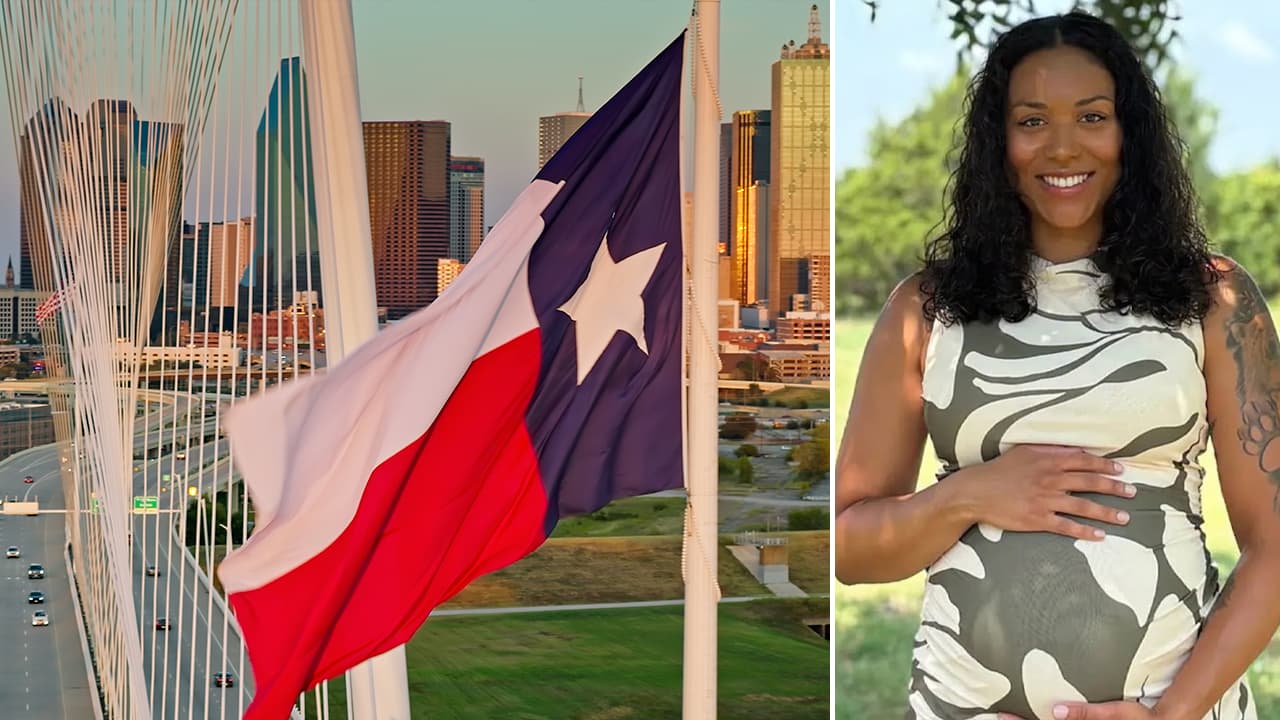
West, represented by attorneys from Alliance Defending Freedom and First & Fourteenth PLLC, filed her emergency application with Justice Elena Kagan, who handles emergency matters arising from the Ninth Circuit. She asked for an administrative stay by 1 p.m. Eastern Time on Tuesday, citing concerns that the case was moving faster than anticipated.
The central legal dispute involves competing claims of jurisdiction across three states. West argued that the surrogacy agreement contained a forum-selection clause requiring litigation to be held in Alaska, and she entered a special appearance in the California proceedings to contest the court's jurisdiction. The California trial court ruled that her jurisdictional arguments and attached exhibits constituted a general appearance, which it treated as consent to California's jurisdiction, according to Fox News. The court then entered an ex parte judgment of parentage in favor of the commissioning parents.
West's application to the Supreme Court argues that the California court violated federal due process by treating her jurisdictional defense as consent. She also argues that without a stay, the baby could be transferred to California for hospice care while she remains unable to participate in decisions regarding the child's medical treatment.