Audio from 2011 resurfaces in which Abdul El-Sayed described higher costs for wealthier patients under a universal healthcare plan
A 2011 podcast appearance by Abdul El-Sayed, the 2026 Democratic nominee for U.S. Senate in Michigan, has been circulated in which he described his vision for healthcare expansion as one that would make costs "marginally more expensive" for wealthier patients in order to extend coverage to those without it. El-Sayed is running to succeed retiring Democratic Sen. Gary Peters and will face Republican former congressman Mike Rogers in the November 3 general election. El-Sayed has made Medicare-for-all a central plank of his campaign.
Single source · Not corroborated
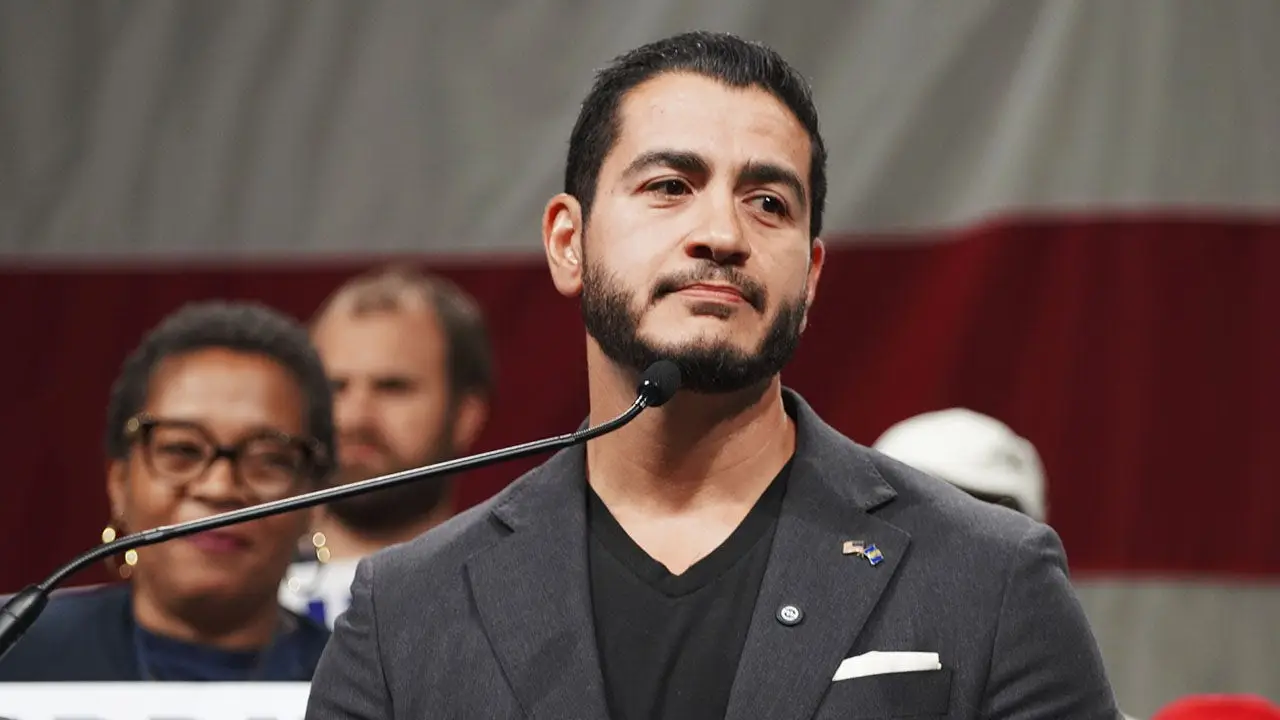
Abdul El-Sayed, who won the Michigan Democratic Senate primary in August 2026, made a series of statements in a 2011 appearance on the "Sense and Sustainability" podcast that have since been recirculated ahead of his general election matchup with Republican Mike Rogers. In the recording, El-Sayed described his approach to healthcare inequality as one that would extend access to those without coverage while incrementally raising costs for those who already have it.
"We're actually just going to give other people access to what you have and make yours more expensive. We're not asking you to lose access. We're just making yours more expensive. And not that much so, in fact. We're making it marginally more expensive," El-Sayed said in the 2011 podcast. He also stated that "the rich will always have the ability to pay for the care that they need," and characterized the added burden on existing premium-payers as more manageable than the total lack of access faced by the uninsured.
In his current campaign, El-Sayed has described Medicare-for-all as a system with "no premium, no co-pay, no deductible" regardless of employment, age, or marital status, framing it as a universal guarantee. The 2011 remarks, made in the context of a program on healthcare inequality, reflect an earlier articulation of the equity rationale behind such a system rather than a direct description of the current policy proposal's mechanics.