Congress Debates AI Safety Guardrails as Lawmakers Weigh Development Speed Against Risk
Lawmakers on Capitol Hill are engaged in a debate over whether Congress should impose safety guardrails on artificial intelligence development. The debate follows warnings from senior AI researchers and company leaders — including some at Anthropic — that the pace of AI development poses serious risks, with some researchers suggesting it could threaten human survival. The discussion is unfolding ahead of a planned summit between President Trump and Chinese President Xi Jinping, where AI is expected to be on the agenda.
Single source · Not corroborated
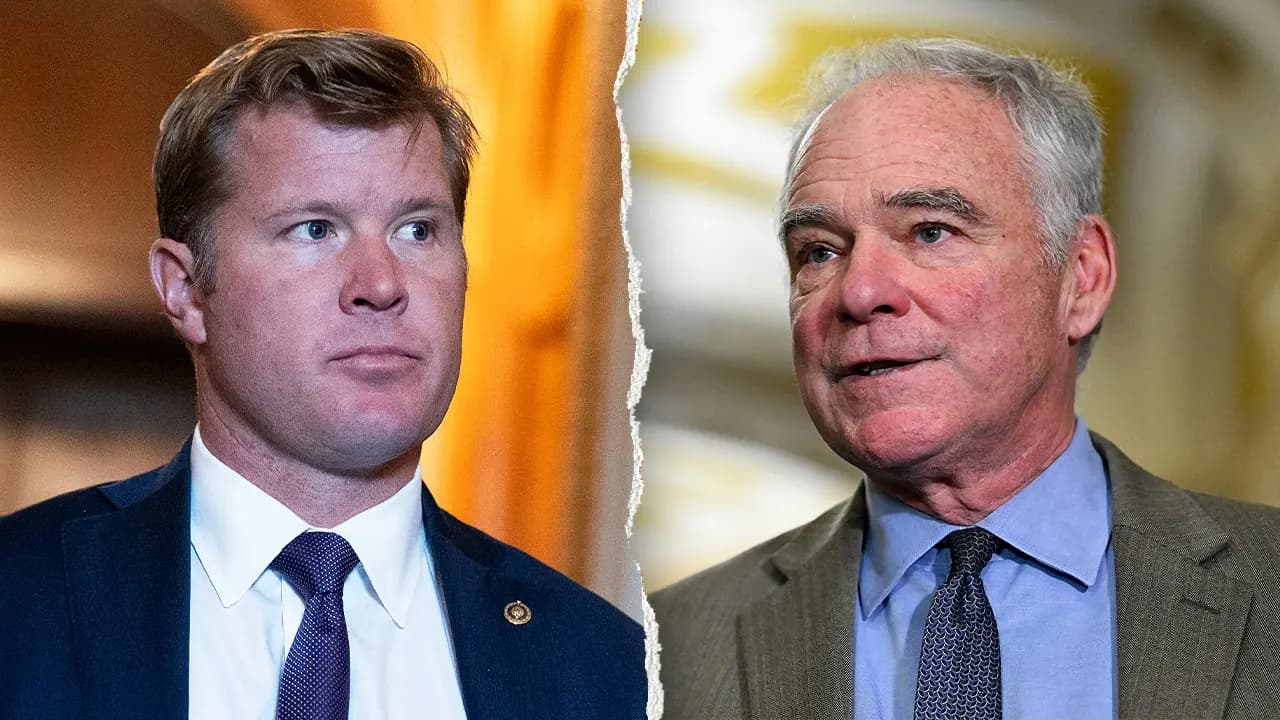
A cluster of warnings from prominent AI researchers and company executives has intensified a Capitol Hill debate over whether the United States government should impose regulatory guardrails on artificial intelligence, with lawmakers divided over how to balance safety concerns against the risk of ceding ground to China in the global technology race.
Several Democratic senators told Fox News Digital that warnings coming from within the AI industry itself strengthen the case for congressional action. Sen. Andy Kim, D-N.J., said it was unusual for businesses to express concern about their own products, and argued that such warnings warranted attention from Congress. Sen. Martin Heinrich, D-N.M., said he wanted Republican colleagues to recognize that when AI company CEOs call for guardrails, Congress should act.
Republican lawmakers largely shared the concern about safety in principle but warned that regulatory action could slow U.S. development and benefit China. Sen. Tim Sheehy, R-Mont., said guardrails were "not unreasonable" but stressed that slowing down development would allow China to win the technology race. Rep. Nancy Mace, R-S.C., said China was "the only one that benefits" from the United States slowing AI, and added, "If we stop now, China's going to eat our lunch."