Trump Administration Uses Pocket Rescission to Cancel $810 Million to $1 Billion in Congressionally Approved Spending
The Trump administration announced Friday it was canceling between $810 million and nearly $1 billion in congressionally approved spending through a budget maneuver known as a "pocket rescission." The majority of the cuts — approximately $567 million — targeted Health and Human Services programs serving refugees, asylees, and unaccompanied minors. Additional programs affected include a Department of Education initiative for migrant students, a Department of Justice office focused on reducing racial tensions, a minority business development initiative, and HUD housing counseling services.
Two sources · Thin corroboration
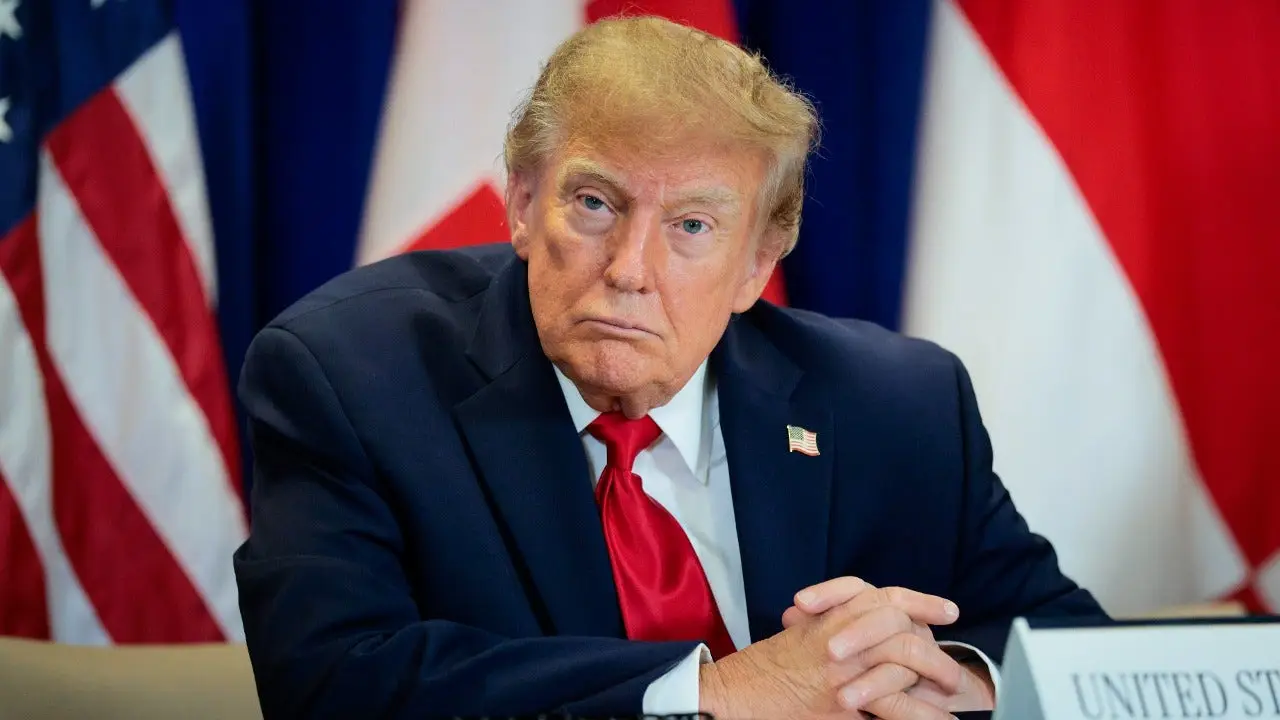
The White House's Office of Management and Budget described the rescissions as focused on "the most harmful government spending," with the announcement noting that several organizations slated to lose funding are led by former officials from the Obama administration. The administration argued that the Impoundment Control Act does not explicitly bar the president from rescinding funds near the end of a fiscal year, a position OMB Director Russell Vought has stated repeatedly.
Under federal law, Congress has 45 days to review proposed spending rescissions before they take effect. The White House announced the cuts with five days remaining in the federal fiscal year — ending September 30 — making it functionally impossible for Congress to act within that window. The House of Representatives is also out of session through the November election. The Government Accountability Office, an arm of Congress, has concluded that pocket rescissions are unlawful and likened them to a line-item veto, which the Supreme Court previously ruled unconstitutional.
Sen. Susan Collins, Republican of Maine and chair of the Senate Appropriations Committee, condemned the move, saying it came without warning or consultation and calling it an attempt by OMB to "undermine Congress's Constitutional power of the purse." Collins said she would work with colleagues to address what she described as "illegal actions." Sen. Patty Murray, Democrat of Washington and the lead Democrat on the Senate Appropriations Committee, described the action as "theft from the American people, plain and simple."