Anthropic Consults Religious Scholars on AI Consciousness and Morality in Private Sessions
Anthropic, the AI company behind the Claude family of models, has been hosting private meetings with religious scholars from around the world to discuss questions of morality, consciousness, and AI behavior. Participants were required to sign nondisclosure agreements, and key aspects of many conversations were kept confidential. Co-founder Christopher Olah has stated he is "genuinely uncertain" whether AI models like Claude are conscious.
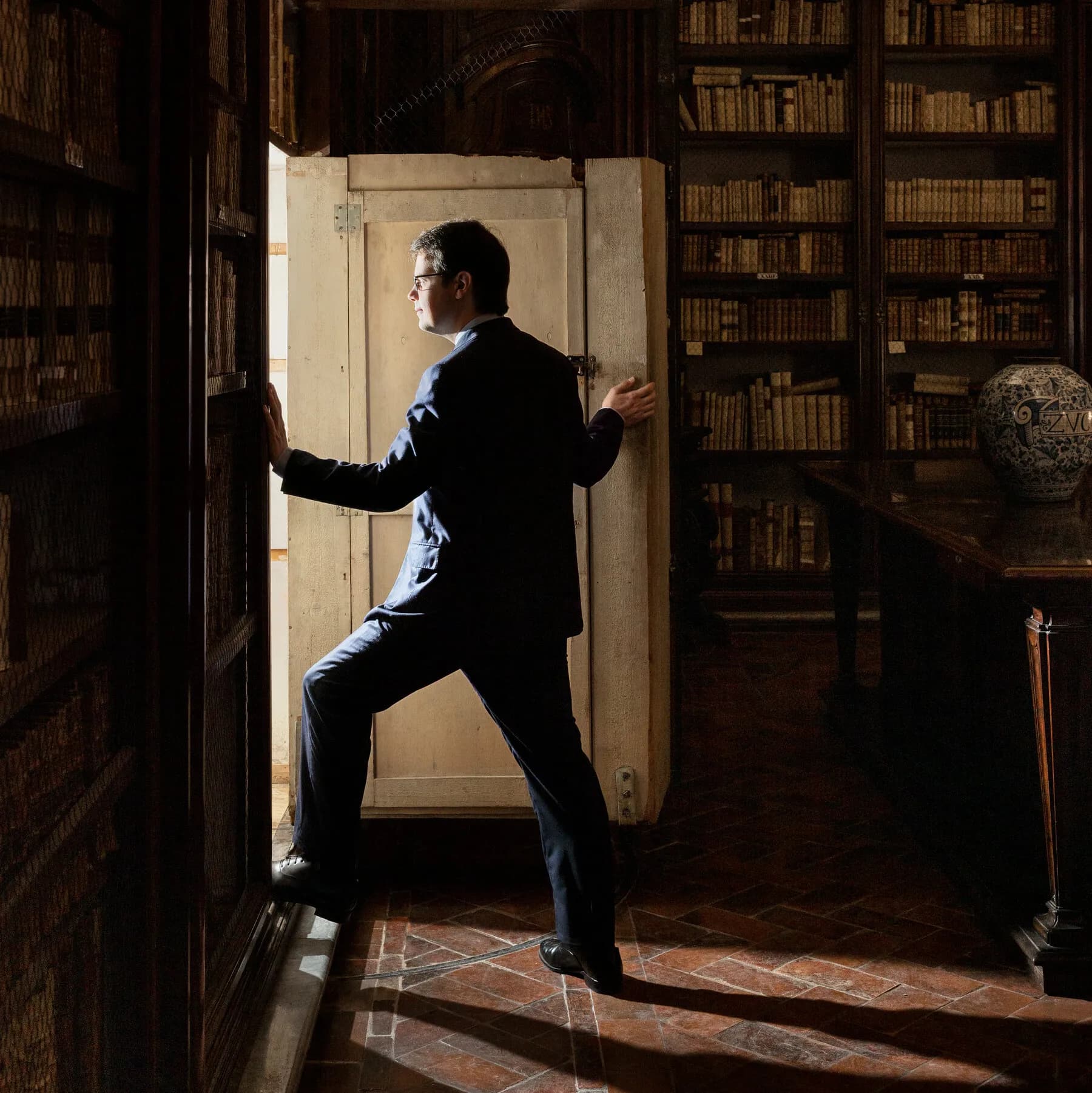
For several months, Anthropic hosted a series of private gatherings at which the company brought in dozens of religious scholars from multiple countries — including Orthodox Jewish, Roman Catholic, and other faith traditions — to consult on questions of morality and AI consciousness. Participants signed nondisclosure agreements, and the company has kept significant portions of the discussions confidential, according to reporting by The New York Times.
At a dinner in San Francisco in April, co-founder Christopher Olah sat alongside Rabbi Mois Navon, an Orthodox scholar from Israel. Olah leads the Anthropic team focused on understanding why AI systems behave as they do — a discipline sometimes called interpretability or mechanistic interpretability. Over the course of the evening, Navon observed that Anthropic's leaders spoke about Claude in terms that went beyond describing mere software, according to the Times account.
Olah has described his own position as one of genuine epistemic humility. "We don't know if A.I. models are conscious. I don't know. I'm genuinely uncertain," he told the Times. "The thing that I care about is that we get to the right answer, whatever it is." During the day's sessions, he worked to demonstrate to the visiting scholars that Claude could display behaviors resembling human emotional expressions, including what he characterized as resemblances to feelings like anger and love.