Bipartisan Group of 50+ Lawmakers Urges Trump CMS to Drop Medicare Drug Pricing Proposal Tied to Biden-Era Law
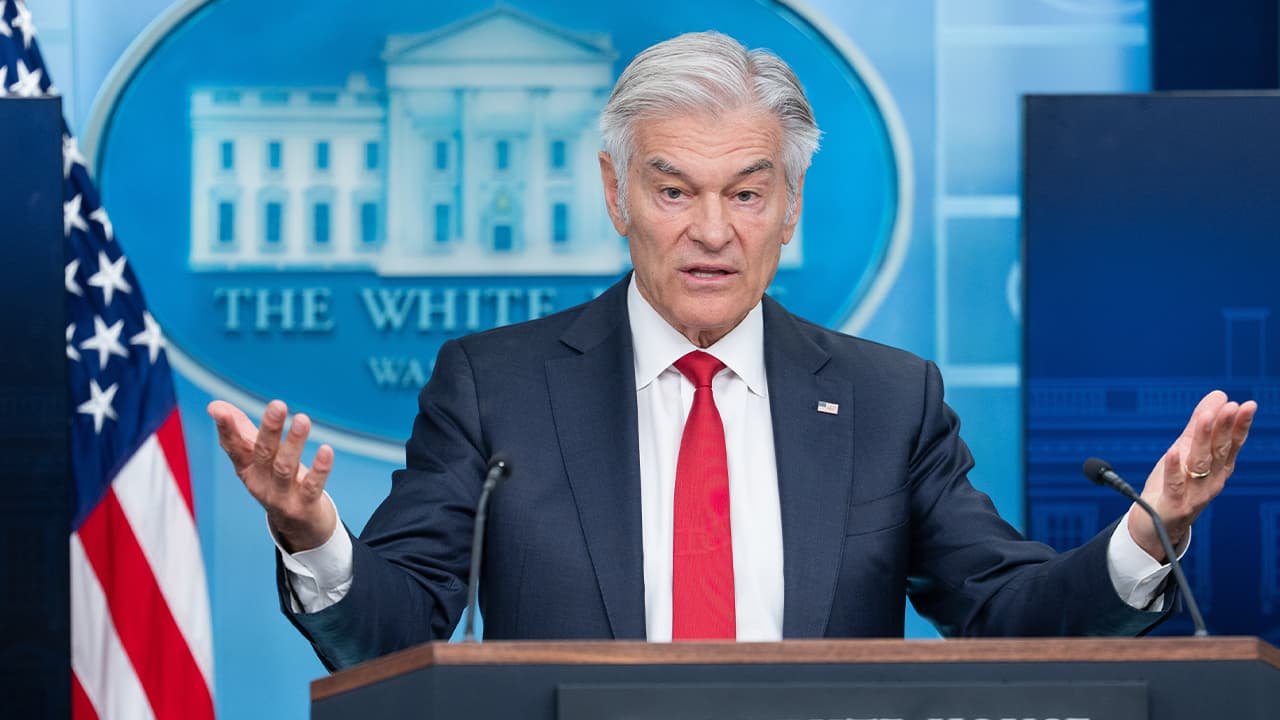
A bipartisan group of more than 50 lawmakers sent a letter dated September 21 to CMS Administrator Dr. Mehmet Oz, urging the agency to remove a proposed "fixed-dose combination" policy from its final rule implementing Medicare's Drug Price Negotiation Program. The Drug Price Negotiation Program was established by the Inflation Reduction Act, signed by President Biden in 2022, and the Trump administration put forward the contested policy in June as part of implementing that law.
Single source · Not corroborated
The dispute centers on how Medicare would treat newer, improved versions of existing drugs under the Drug Price Negotiation Program. Under the proposed policy, CMS would classify certain reformulated drugs — including fixed-dose combinations, which bundle multiple active ingredients into a single product — as sufficiently similar to existing negotiated drugs, thereby subjecting them to Medicare price negotiations much sooner after FDA approval.
Lawmakers signing the letter argued the policy would harm incentives for pharmaceutical companies to develop improved therapies. They pointed specifically to advances in cancer immunotherapy, such as treatments that allow patients to receive a quick injection rather than spending hours undergoing intravenous infusion, describing those as meaningful clinical improvements for patients in rural areas and others with limited access to infusion facilities. "Patients fighting cancer deserve access to the most advanced new therapies, and if CMS finalizes this proposal, those advances are less likely to reach those who need it the most," the letter stated.
CMS, according to Fox News Digital's reporting, said the proposal is designed to prevent drugmakers from avoiding or delaying negotiated Medicare prices by making only incremental changes to existing drugs and introducing them as new products — a practice sometimes described as "product hopping."