Supreme Court Agrees to Review Trump Administration's Mandatory Detention Policy Denying Bond Hearings to Certain Immigrants
The Supreme Court agreed to hear a challenge to the Trump administration's mandatory detention policy, which denies bond hearings to certain noncitizens held in immigration detention while awaiting deportation. The case stems from a 2nd U.S. Circuit Court of Appeals ruling against the administration's position. Oral arguments are expected later this term.
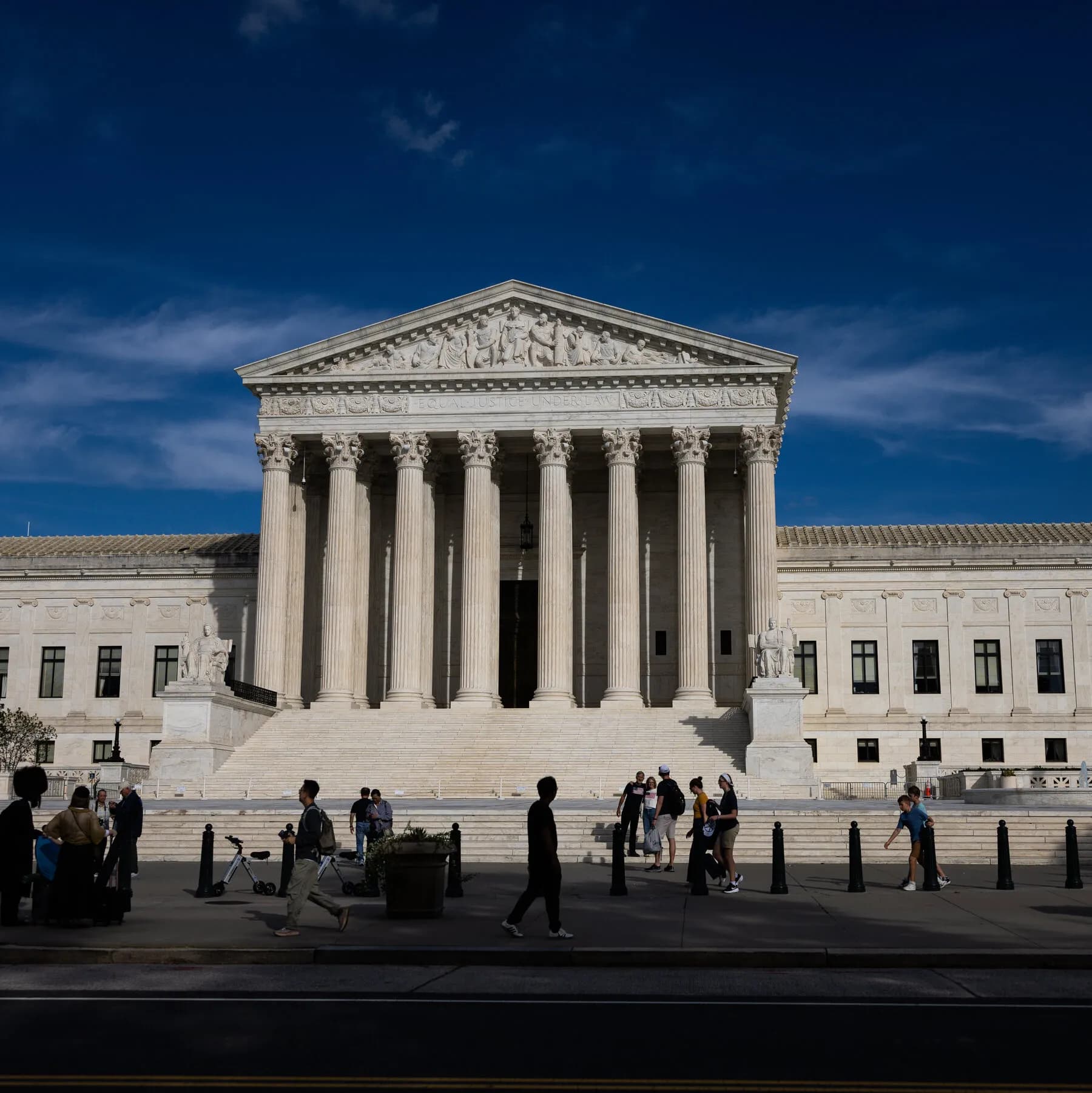
The Supreme Court accepted the case after the Trump administration asked the justices to review lower court decisions that had blocked its interpretation of the 1996 Illegal Immigration Reform and Immigrant Responsibility Act. The outcome will determine whether certain noncitizens in immigration detention are entitled to bond hearings before an immigration judge.
The case centers on Ricardo Aparecido Barbosa da Cunha, a Brazilian citizen who entered the United States without inspection more than two decades ago, applied for asylum in 2016, and was granted work authorization while his application was pending, according to Fox News. ICE arrested him in September 2025 and argued he was subject to mandatory detention without a bond hearing. A district court disagreed, finding his detention was governed by a separate provision of the Immigration and Nationality Act that permits bond hearings; an immigration judge subsequently found he posed neither a flight risk nor a danger to the community and ordered him released on bond.
The circuit split underlying the case is significant. Fox News reported that nine federal appeals courts have rejected the Trump administration's reading of the 1996 law, while the 5th and 8th U.S. Circuit Courts have sided with the administration, holding that mandatory detention without bond hearings is permissible for certain noncitizens — including unlawful immigrants and lawful permanent residents facing deportation.