Supreme Court hears arguments in climate liability case that could expose oil companies to state tort suits nationwide
The Supreme Court heard oral arguments Monday in Suncor v. Boulder, a case examining whether state tort laws can be used to seek damages from oil companies for climate-related harms. The justices must also decide whether the Court has jurisdiction to hear the case at this stage, as it remains pending before the Colorado Supreme Court. Boulder alleges ExxonMobil and Suncor knew for decades about climate risks from fossil fuels but misled the public, and estimates that taxpayers could face more than $100 million in costs to adapt to climate-related impacts.
Single source · Not corroborated
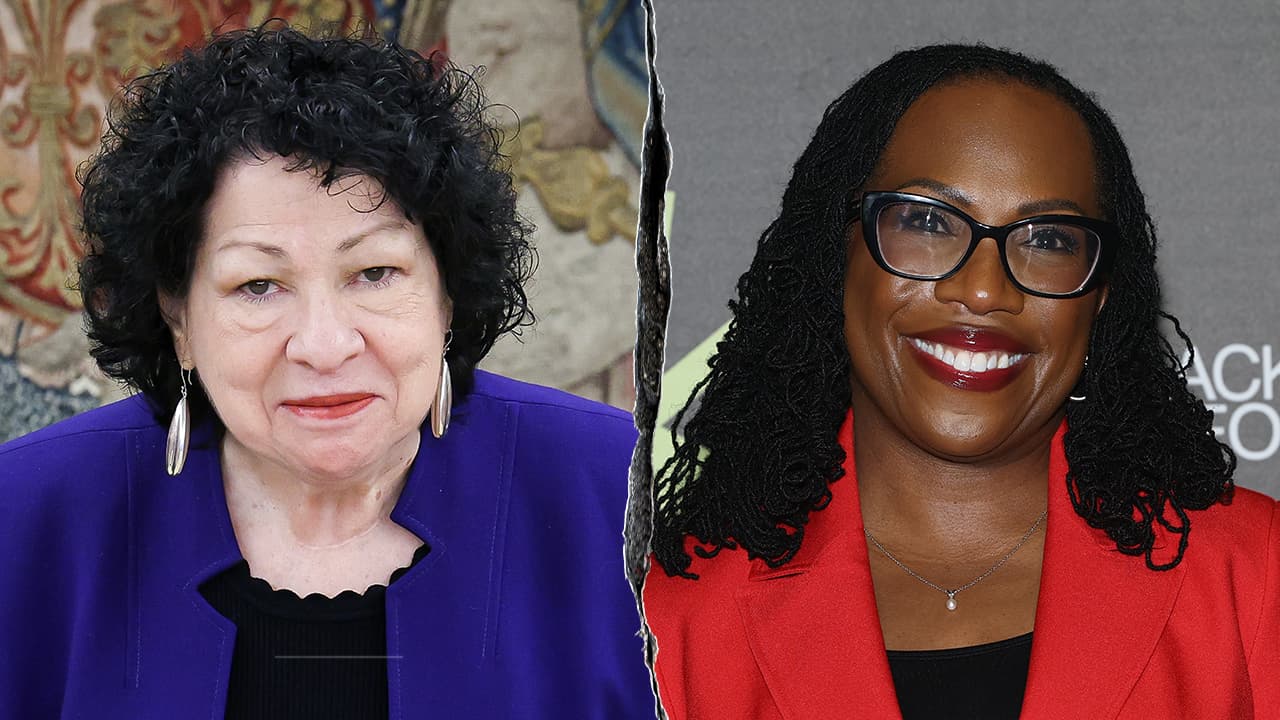
The Supreme Court opened its new term Monday with oral arguments in Suncor v. Boulder, a case that could determine whether states may use their own tort laws to hold oil companies liable for climate change damages — including harms allegedly caused by emissions originating outside the state or country. The case carries an unusual procedural posture: because it is still before the Colorado Supreme Court, the justices could resolve it on jurisdictional grounds without reaching the underlying federalism question.
Justices Ketanji Brown Jackson and Sonia Sotomayor repeatedly pressed attorneys on whether the Court has jurisdiction to hear the case at this stage. Jackson said the case felt "premature from the standpoint of this court exercising its jurisdiction," and told Principal Deputy Solicitor General Sarah Harris — who argued in support of Suncor — that the Court does not "really know enough to be confident" the legal theories posed are applicable. Sotomayor suggested sending the case back to the Colorado Supreme Court, saying, "We have to be sure of our jurisdiction before we take it."
Conservative legal commentators interpreted those questions as a strategic attempt to avoid a ruling on the merits. Carrie Severino, president of the Judicial Crisis Network, told Fox News Digital that the repeated focus on jurisdiction indicated the liberal justices lacked confidence in their vote count on the core issue. Hans von Spakovsky of Advancing American Freedom characterized the jurisdictional questions as an effort to find an "off-ramp" because liberal justices feared being outvoted on whether federal law, such as the Clean Air Act, preempts state climate claims. Republican attorneys general from Alabama and Utah offered similar assessments, with Utah AG Derek Brown arguing that energy policy decisions should rest with Congress rather than state courts.