Supreme Court Hears Arguments on Whether Cities and States Can Sue Oil Companies Under State Law for Climate Damages
The Supreme Court heard oral arguments Monday in Suncor v. Boulder, a case determining whether federal law preempts cities and states from suing oil companies under state tort law for climate-related damages. The City and County of Boulder, Colorado, sued ExxonMobil and Suncor Energy in 2018, alleging the companies knowingly contributed to climate change while misleading the public about the risks of fossil fuels. Justice Samuel Alito has recused himself from the case without explanation, leaving eight justices to decide the matter.
Single source · Not corroborated
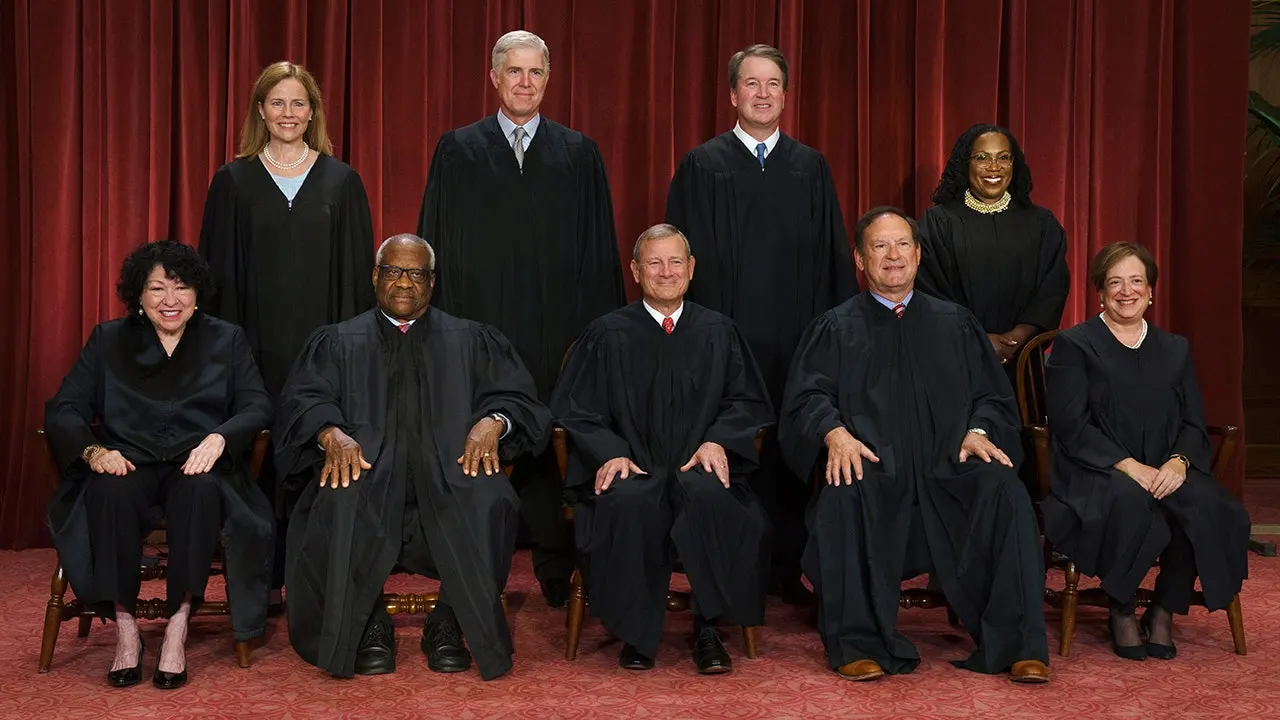
The Supreme Court's Monday session in Suncor v. Boulder centered on a foundational question: can local and state governments use state tort law to hold oil companies liable for climate harms allegedly caused by emissions that cross state and national borders? Boulder's attorney, Kevin Russell, argued that "since the founding, states have had the power to provide tort remedies for injuries occurring within their borders even when the conduct causing those injuries occurred elsewhere."
ExxonMobil and Suncor countered that because greenhouse gas emissions travel globally, Colorado cannot use state law to hold companies liable for emissions originating outside its borders, and that such disputes should instead be governed by federal law. Boulder's lawsuit cited a 1977 internal ExxonMobil memo — circulated among the company's highest-level managers — which reportedly stated that "current scientific opinion overwhelmingly favors" that fossil fuels contribute to the rise in CO2 emissions.
During oral arguments, Justice Clarence Thomas pressed Boulder's attorney on whether the legal theory could expose businesses beyond oil producers to similar claims, including large retailers. Russell acknowledged that "nothing in our theory prevents that," while noting that state tort law could impose additional limitations. Justice Brett Kavanaugh raised concerns about the potential financial scale of widespread litigation, warning that enough lawsuits could "bankrupt" defendants and questioning whether virtually any manufacturer or business could face similar claims.